

Your resume is often the first impression you make on a potential employer. However, even the most qualified candidates can be overlooked if their resume contains common mistakes. In this guide, we’ll explore key resume pitfalls to avoid and provide actionable Resume tips to ensure your application shines. Avoid these mistakes, and you’ll be one step closer to landing your dream job!
Table of Contents
Importance of a Strong Resume
A resume is your personal marketing tool, serving as the gateway to your dream job. It’s often the first point of contact between you and potential employers, making it a crucial component of the job application process. Crafting a strong resume can make the difference between landing an interview and being overlooked. Let’s explore why a robust resume and Resume tips are indispensable and how employers use it to evaluate candidates.
Why Your Resume Is a Crucial Part of the Job Application Process
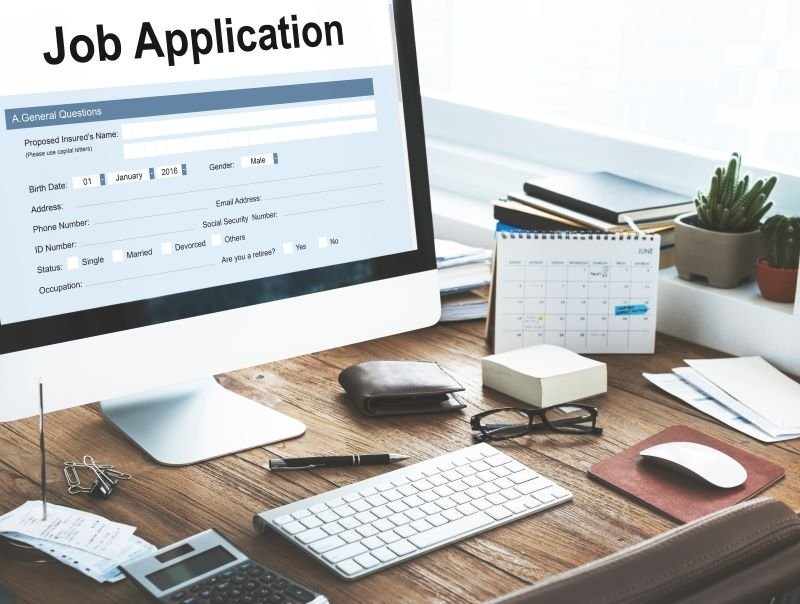
First Impressions Matter
Your resume is often the first impression you make on a hiring manager. In just a few seconds, it needs to convey your qualifications, experience, and suitability for the role. A polished, professional resume immediately signals that you’re a serious candidate who takes the application process seriously.
Showcases Your Professional Identity
A strong resume highlights your skills, achievements, and career trajectory. It provides a snapshot of who you are as a professional, showing employers how you can add value to their organization.
Tailors Your Experience to the Job
By customizing your resume to align with the job description, you demonstrate your understanding of the role and how your background fits the company’s needs. This tailored approach makes it easier for employers to see you as a top candidate.
Increases Your Chances of Passing Initial Screenings
Many companies use Applicant Tracking Systems (ATS) to scan resumes for specific keywords. A strong, keyword-optimized resume increases your chances of passing this initial digital screening, ensuring your application reaches human eyes.
Sets the Stage for the Interview
A well-crafted resume can guide the interview process. Employers often base their questions on the skills and experiences listed in your resume, giving you an opportunity to expand on your accomplishments during the interview.
- Evaluating Qualifications and Experience
Employers review resumes to determine if candidates meet the basic qualifications for the role. They look for relevant education, work experience, certifications, and specific skills that align with the job description. - Comparing Candidates
In a competitive job market, hiring managers may receive hundreds of applications for a single position. Resumes allow them to quickly compare candidates and identify those who stand out based on their achievements, skills, and experience. - Identifying Red Flags
Resumes help employers spot potential red flags, such as unexplained employment gaps, frequent job changes, or lack of relevant experience. While these issues don’t automatically disqualify a candidate, they may prompt further questions during the interview process. - Assessing Cultural Fit
Beyond qualifications, employers use resumes to gauge whether a candidate might fit within the company culture. For instance, a history of working in fast-paced environments could indicate adaptability and resilience, qualities that may align with the company’s values. - Streamlining the Hiring Process
Resumes enable hiring managers to efficiently narrow down the pool of candidates. By focusing on the most qualified individuals, employers can streamline the recruitment process and spend more time engaging with top contenders during interviews.
Resume tips: Common Resume Mistakes to Avoid
Spelling and Grammar Errors: Proofreading Tips to Ensure Accuracy
One of the easiest ways to get your resume rejected is by submitting a document riddled with spelling and grammar mistakes. These errors suggest a lack of attention to detail, a quality highly valued by employers. To avoid this:
- Use spell-check tools, but don’t rely on them entirely.
- Read your resume aloud to catch awkward phrasing.
- Ask a trusted friend or professional to review it for errors.
- Consider using tools like Grammarly for an added layer of proofreading.
Lack of Tailoring: Importance of Customizing Your Resume for Each Job
Sending a generic resume for every job application is a common mistake. Employers look for candidates who take the time to customize their resumes to match the job description. Tailoring shows that you understand the company’s needs and have the relevant skills.
- Highlight the specific skills and experiences that align with the job description.
- Use industry-specific keywords to improve your chances with Applicant Tracking Systems (ATS).
- Adjust your professional summary or objective to reflect the role you’re applying for.
Incorrect Contact Information: Double-Check Your Details
Nothing is more frustrating for an employer than being unable to reach a promising candidate. Ensure your contact information is accurate and up-to-date.
- Include a professional email address and a reliable phone number.
- Double-check that your LinkedIn profile URL (if included) is correct.
- Verify the formatting of your contact details to maintain professionalism.
Unprofessional Email Address: Why a Professional Email Address Matters
An unprofessional email address can ruin the impression you’re trying to create. Employers might think twice about a candidate with an email like "partytime123@example.com."
- Use a simple, professional email address that includes your name, such as "firstname.lastname@example.com."
- Avoid using outdated email services; stick to widely accepted ones like Gmail.
Too Long or Too Short: Ideal Resume Length Based on Experience
A resume that’s either too brief or overly long can harm your chances.
- For entry-level candidates or those with less experience, aim for a one-page resume.
- Professionals with extensive experience can extend their resumes to two pages, but avoid unnecessary details.
- Ensure that every word adds value and aligns with the job requirements.
Irrelevant Work Experience: Focus on Roles That Align with the Job
Including every job you've ever held can dilute the impact of your resume. Employers care about the relevance of your experience.
- Highlight roles and responsibilities that are directly related to the job you’re applying for.
- Use the job description as a guide to determine what’s relevant.
- Include transferable skills if you're switching industries.
Poor Formatting and Design: Tips for a Clean and Professional Layout
A cluttered or poorly designed resume can be hard to read and unappealing. Good formatting improves readability and leaves a positive impression.
- Use consistent fonts like Arial or Calibri and ensure a font size of 10-12 points.
- Include clear section headings and sufficient white space.
- Avoid excessive colors, graphics, or complex designs unless you’re in a creative field.
No Action Verbs: The Power of Using Action Words to Describe Achievements
Action verbs bring your accomplishments to life and make your resume more engaging.
- Start bullet points with strong verbs like "led," "developed," "achieved," or "implemented."
- Avoid weak phrases like "responsible for" or "worked on."
- Use specific verbs tailored to your industry.
Missing Keywords: Aligning Your Resume with the Job Description for ATS
Many companies use ATS to screen resumes. If your resume lacks the right keywords, it may never reach a human recruiter.
- Identify keywords in the job posting and incorporate them naturally into your resume.
- Focus on hard skills, certifications, and job titles that match the role.
- Avoid keyword stuffing, which can make your resume difficult to read.
Resume tips: How to Properly Format Your Resume
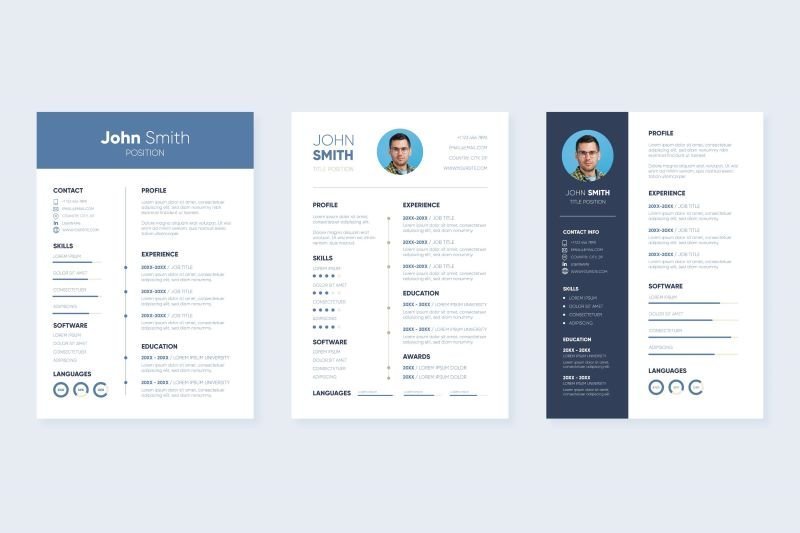
Importance of Consistency in Font, Spacing, and Layout
Consistency in design elements ensures a professional appearance and enhances readability.
- Use a uniform font style and size throughout your resume.
- Ensure consistent spacing between sections and bullet points.
- Maintain alignment in formatting, such as justified text or left-aligned bullet points.
Examples of Modern and Professional Resume Templates
- Choose clean templates with clear headers and logical flow.
- Use templates available through Microsoft Word, Canva, or job portals like LinkedIn.
- Avoid overly artistic templates unless applying for creative roles.
5. The Role of Applicant Tracking Systems (ATS)
How ATS Software Works
ATS scans resumes for specific keywords and ranks them based on relevance to the job description. If your resume lacks those keywords, it might be rejected before a recruiter even sees it.
Why It’s Crucial to Optimize Your Resume for ATS
- Include job-relevant keywords to increase your chances of passing the ATS scan.
- Use standard section headings like "Work Experience" and "Education" to ensure readability by ATS.
- Avoid graphics or tables that might not be readable by ATS software.
Tips for Highlighting Key Achievements

Using Quantifiable Results to Demonstrate Impact
Employers love to see measurable results that demonstrate your contributions.
- Use metrics like percentages, revenue figures, or project completion times.
- Examples: "Increased sales by 20% in six months" or "Led a team of 10 to complete a project two weeks ahead of schedule."
Examples of How to Effectively Showcase Accomplishments
- Instead of: "Managed marketing campaigns," say: "Managed marketing campaigns that increased website traffic by 30%."
- Tailor your achievements to align with the role’s priorities.
Importance of a Strong Summary or Objective

How to Write a Compelling Summary
Your summary should provide a quick overview of your qualifications and career goals.
- Focus on your unique skills and experience.
- Keep it concise yet impactful.
When to Use an Objective Statement
An objective statement is useful for entry-level candidates or those switching careers.
- Clearly state your career goals and how they align with the job.
The Value of a Cover Letter
Why a Well-Crafted Cover Letter Complements Your Resume
A cover letter provides a personal touch and allows you to explain why you’re a perfect fit.
- It gives you the opportunity to highlight specific accomplishments.
- Helps you elaborate on career transitions or gaps.
Tips for Creating a Personalized and Engaging Cover Letter
- Address the letter to a specific person whenever possible.
- Mention how your skills and experience align with the company’s goals.
- Use a professional yet conversational tone.
Seeking Professional Help

When and Why to Consider Hiring a Resume Writing Service
Professional services can help you craft a polished, compelling resume, especially if you’re struggling to articulate your achievements.
Benefits of Having a Professional Review Your Resume
- Ensures your resume is error-free and optimized for ATS.
- Provides industry-specific guidance to improve your chances of getting noticed.
Resume Tips: How to Tailor Your Resume for Different Industries
Key Differences Between Resumes for Corporate, Creative, and Technical Roles
- Corporate resumes should focus on achievements and leadership skills.
- Creative resumes can showcase design and layout creativity.
- Technical resumes should emphasize hard skills and certifications.
Examples of Industry-Specific Resume Tips
- For IT: Highlight programming languages and certifications.
- For Marketing: Focus on campaign metrics and creativity.
12. Final Checklist Before Submitting Your Resume
Proofreading and Getting a Second Opinion
- Always proofread your resume multiple times.
- Ask a trusted friend or mentor for feedback.
Ensuring Your Resume Aligns with the Job Description
- Double-check that your skills and experiences match the job requirements.
Double-Checking Formatting and Readability
- Ensure your resume looks clean and professional across all devices.
Frequently Asked Questions
Why is a resume important in the job application process?
How long should my resume be?
•Entry-level candidates: One page
•Experienced professionals: Two pages
Keep your resume concise and relevant, focusing only on achievements that align with the job.
What are the most common resume mistakes?
•Spelling and grammar errors
•Including irrelevant work experience
•Poor formatting
•Using a generic resume for all job applications
•Avoid these pitfalls by proofreading, tailoring, and optimizing your resume for each job.
Should I include a cover letter with my resume?
How can I tailor my resume for different jobs?
•Aligning your skills and experience with the job description
•Incorporating relevant keywords
•Highlighting specific achievements that match the role’s requirements
What is the role of an Applicant Tracking System (ATS) in resume screening?
What is the best way to highlight my achievements on a resume?
•Instead of saying, "Managed a sales team," say, "Managed a sales team that increased revenue by 15%."
•This approach provides concrete evidence of your contributions.
Should I include hobbies and interests on my resume?
How often should I update my resume?
•Start or leave a job
•Acquire new skills or certifications
•Achieve significant milestones in your career